Sports injuries can happen to anyone—from professional athletes and fitness enthusiasts to people who enjoy weekend cricket, running, cycling, or gym workouts. A sprain, muscle strain, ligament injury, or joint problem can interrupt your routine and make even simple movements uncomfortable. While rest is often important immediately after an injury, physiotherapy for sports injuries plays a major role in helping you recover safely, restore movement, and return to your activity with confidence.
Sports injury physiotherapy is a structured approach to recovery that focuses on reducing pain, improving mobility, rebuilding strength, and preventing future injuries. A physiotherapist assesses the affected area, identifies movement limitations and muscle weakness, and creates a rehabilitation program based on the individual’s injury, fitness level, and goals.
Instead of simply treating the painful area, physiotherapy addresses the underlying factors that may have contributed to the injury.
Different sports place different demands on the body. Some common injuries that can benefit from physiotherapy include:
Early professional assessment can help determine the severity of an injury and whether rehabilitation or further medical evaluation is required.
A physiotherapist may use appropriate therapeutic techniques and exercises to help manage pain and swelling. The treatment plan is adjusted according to the injury and stage of recovery rather than relying on a one-size-fits-all approach.
Injury can make a joint or muscle stiff, limiting normal movement. Carefully selected mobility and stretching exercises can gradually restore flexibility and range of motion without placing unnecessary stress on healing tissues.
After an injury, muscles around the affected area can become weak because of reduced activity. Strengthening exercises help rebuild muscle control and improve the body’s ability to handle everyday and sporting movements.
Balance and coordination are particularly important after injuries involving the ankle, knee, hip, or lower limb. Physiotherapy may include balance and proprioception exercises to help the body respond more effectively during movement.
Returning to sports too quickly can increase the risk of reinjury. Physiotherapy rehabilitation gradually progresses from basic movements to sport-specific exercises. Your physiotherapist can assess strength, flexibility, balance, endurance, and movement quality before progressing toward higher-intensity activity.
Feeling less pain does not always mean an injury has completely healed. Returning to running, jumping, lifting, or competitive sports before adequate strength and movement have been restored can put additional stress on the injured area.
A gradual return-to-sport program allows the body to adapt to increasing physical demands. The exact timeline depends on factors such as the type and severity of the injury, overall fitness, treatment response, and sport-specific requirements.
Recovery is only one part of sports physiotherapy. Prevention is equally important. Physiotherapists can identify weaknesses, poor movement patterns, flexibility restrictions, and muscle imbalances that may increase injury risk.
A preventive program may include strengthening, mobility exercises, warm-up strategies, balance training, posture and movement correction, and sport-specific conditioning. Learning how to move correctly can help athletes and recreational players perform more efficiently while reducing unnecessary strain.
Consider consulting a physiotherapist if pain continues after a sports injury, movement remains restricted, swelling or stiffness persists, or you are finding it difficult to return to normal activity. Professional assessment is especially important when pain is severe, there is significant swelling or deformity, or you cannot put weight on the injured limb.
Early guidance can help you understand what activities are appropriate at each stage of recovery and reduce the risk of returning to sport too soon.
For people looking for physiotherapy for sports injury in Kharadi, Visit Healing Waves Clinic – Physiotherapy can provide rehabilitation-focused care designed around individual recovery needs. Healing Waves Clinic focuses on helping patients manage sports-related pain, improve mobility and strength, regain functional movement, and progressively return to their activities.
1. Can physiotherapy help with sports injuries?
Yes. Physiotherapy can help reduce pain, restore movement, rebuild strength, and support a gradual return to sports.
2. When should I start physiotherapy after a sports injury?
The appropriate time depends on the injury. A physiotherapist can assess your condition and recommend when and how to begin rehabilitation.
3. Can physiotherapy prevent sports injuries?
Yes. Strength, flexibility, balance, and movement training can help address factors associated with injury risk.
4. How long does sports injury recovery take?
Recovery time varies according to the type and severity of the injury, individual healing, and rehabilitation progress.
5. Can I return to sports while undergoing physiotherapy?
Possibly, but activities should be progressed gradually and according to your physiotherapist’s recommendations.
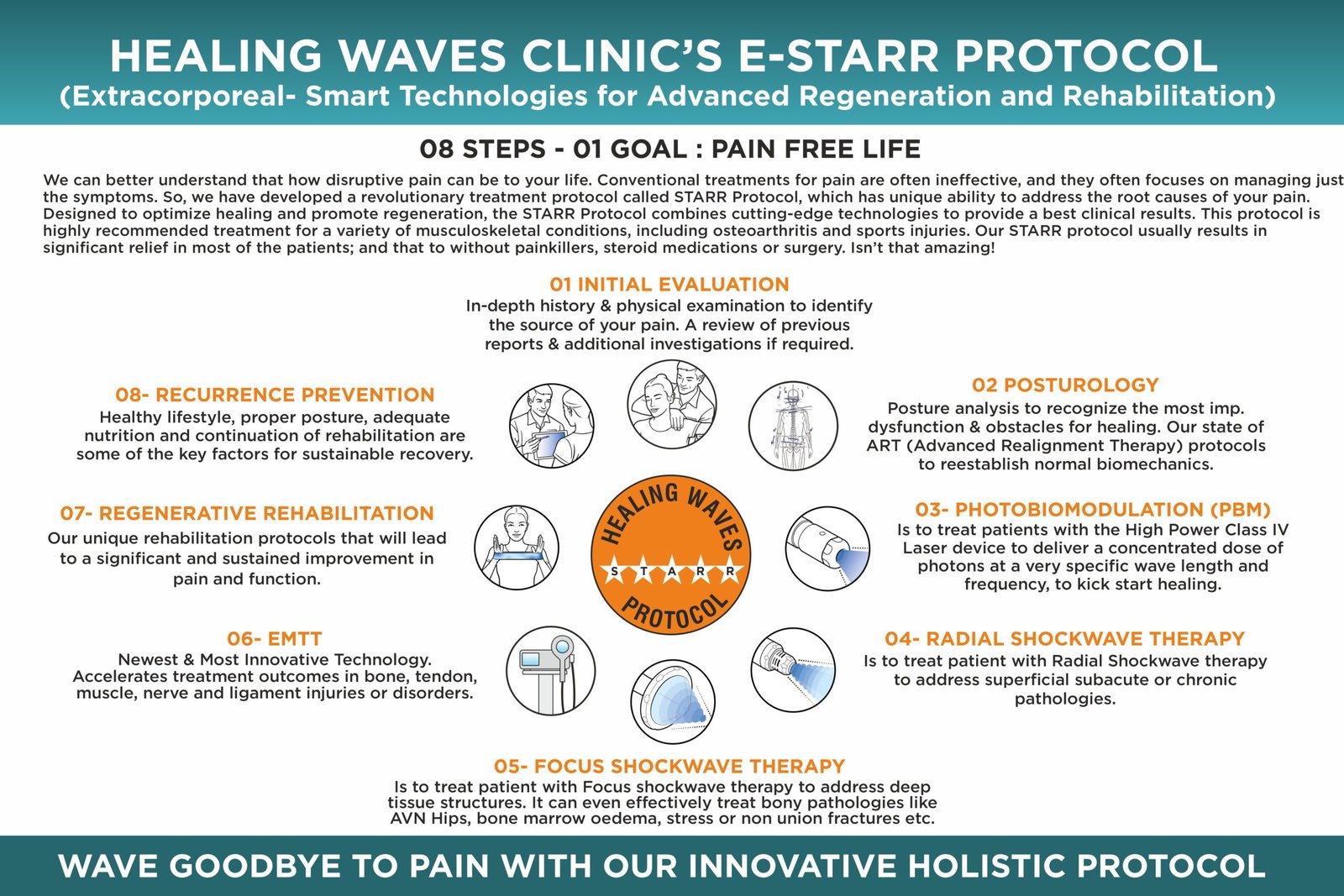
Regenerative Expert Clinic, we specialize in holistic approach, which focuses on helping your body heal and regenerate naturally with innovative powerful technologies.
© 2026 Healing Waves Clinic. All Rights Reserved.

