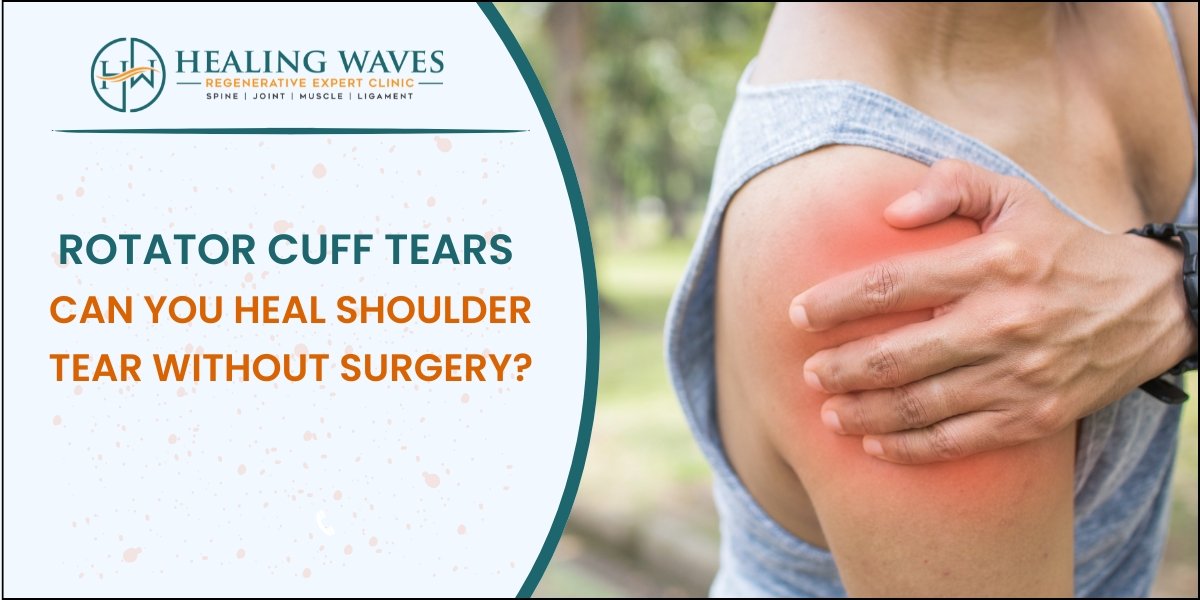
If you’re reading this, you likely have a nagging, painful shoulder that’s making simple tasks like reaching for a cup or getting dressed a challenge. The diagnosis might be a “rotator cuff tear,” and the first question that floods your mind is probably, “Do I need surgery?” The idea of an operation can be daunting, involving downtime, rehabilitation, and anxiety. The good news? Surgery is not the only path to recovery. For many, a well-structured non-surgical treatment plan can effectively heal the shoulder and restore function.
Let’s explore the possibilities of healing a rotator cuff tear without going under the knife.
First, a quick anatomy lesson. Your rotator cuff is a group of four muscles and tendons that surround your shoulder joint, acting like a dynamic socket to keep the ball of your upper arm bone centered. It’s essential for lifting, rotating, and stabilizing your arm. Tears can occur from:
Acute Injury: A sudden fall or heavy lift.
Degenerative Wear and Tear: Slowly over time, especially with repetitive overhead activities (like painting, swimming, or tennis).
Age-Related Changes: Tendons naturally weaken as we get older.
The decision between surgery and conservative care depends on the tear’s size, location, your activity level, age, and how long you’ve had symptoms. For partial tears, small full-thickness tears, or many degenerative tears, non-surgical treatment is often the highly successful first line of defense.
A comprehensive non-surgical protocol typically includes:
Strategic Rest & Activity Modification: This doesn’t mean immobilization. It means avoiding the specific painful movements (like overhead reaches) that aggravate the tear, allowing inflammation to subside.
Physical Therapy: The Cornerstone of Healing. This is the most critical component. A skilled therapist will guide you through:
Pain Management: Using modalities like ice, ultrasound, or gentle massage.
Range of Motion: Gradual stretching to combat stiffness.
Strengthening: Carefully progressing exercises to fortify the rotator cuff muscles and the surrounding shoulder blade (scapular) muscles. A stronger cuff can often compensate for a torn tendon.
Medication: Over-the-counter anti-inflammatory drugs (like ibuprofen) can help manage pain and swelling in the short term.
Corticosteroid Injections: A targeted injection can provide powerful temporary relief from severe inflammation, creating a “window of opportunity” to engage more effectively in physical therapy.
Emerging Regenerative Treatments: Options like Platelet-Rich Plasma (PRP) Therapy involve injecting concentrated healing factors from your own blood into the injured area. While research is ongoing, it shows promise in stimulating the body’s natural repair processes for tendon tears.
Patience is key. This is a marathon, not a sprint. You may feel pain reduction within a few weeks, but meaningful strength and functional improvement often take 3 to 6 months of dedicated therapy. Commitment to the exercise program, even at home, is non-negotiable for success.
Looking for effective non-surgical shoulder pain treatment in Kharadi or a shoulder specialist in Kharadi Visit Healing Waves Clinic.
1. Can a rotator cuff tear heal on its own?
No, the torn tendon cannot re-attach itself to bone on its own. However, with proper non-surgical treatment, pain can disappear, and strength can return, creating a functional “healing” even if the tear remains visible on an MRI.
2. What happens if you don’t repair a torn rotator cuff?
Without any treatment, pain and weakness may persist or worsen. The tear might also increase in size over time. However, with guided non-surgical treatment, many people recover well without surgery.
3. What is the best treatment for a rotator cuff tear?
The best initial treatment for most tears is a structured non-surgical program centered around physical therapy. Surgery is considered if this approach fails after several months.
4. How can I heal my rotator cuff tear naturally?
“Natural healing” is best supported by a professional physical therapy regimen, rest from aggravating activities, anti-inflammatory nutrition, and possibly regenerative injections like PRP, all under medical guidance.
5. How long does a torn rotator cuff take to heal without surgery?
Significant improvement typically takes 3 to 6 months of consistent physical therapy and home exercises.
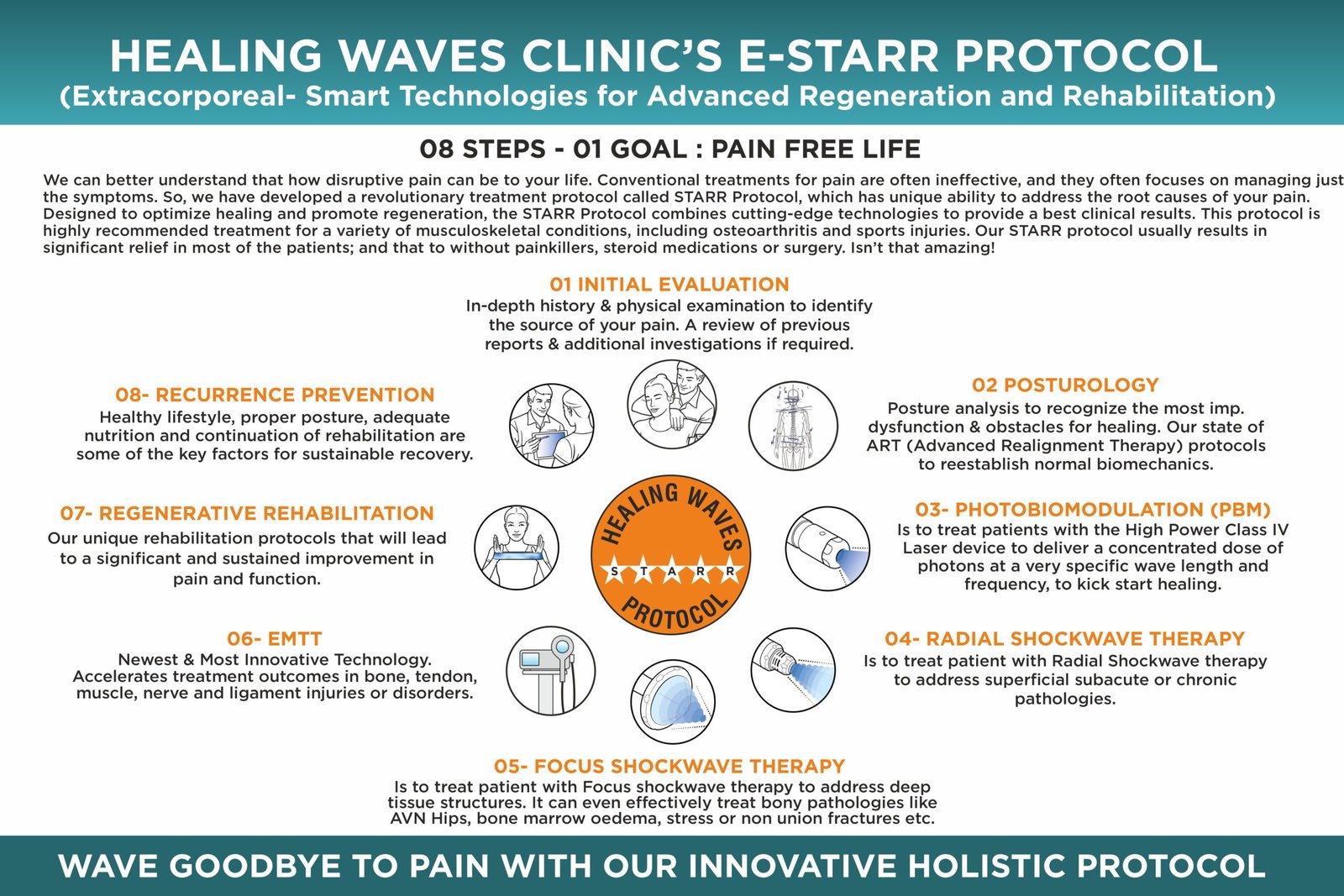
Regenerative Expert Clinic, we specialize in holistic approach, which focuses on helping your body heal and regenerate naturally with innovative powerful technologies.
© 2024 Healing Waves Clinic. All Rights Reserved.

