
Chronic lower back pain can affect almost every part of daily life. Simple activities like sitting at work, standing for long periods, bending, walking, or even sleeping may become uncomfortable. While pain medicines can provide temporary relief, physiotherapy focuses on improving movement, strengthening supporting muscles, and addressing factors that may be contributing to long-term pain.
For people dealing with persistent lower back pain, a properly planned physiotherapy programme can help improve flexibility, strength, posture, and overall function.
Lower back pain can develop for many reasons. Poor sitting posture, prolonged desk work, muscle weakness, previous injuries, lack of physical activity, and repeated strain can all contribute. Conditions such as slipped discs, arthritis, muscle strain, or nerve-related problems may also cause ongoing pain.
Sometimes, there is no single obvious cause. This is why an assessment by a qualified physiotherapist can be helpful before starting exercises.
Physiotherapy is not only about reducing pain. The goal is to help the body move better and become stronger so that everyday activities become easier.
A physiotherapist may assess your posture, flexibility, muscle strength, walking pattern, and range of movement. Based on these findings, they can create an exercise programme suited to your condition and fitness level.
Treatment may include therapeutic exercises, stretching, manual therapy, posture correction, movement education, and advice about daily activities.
The right exercises depend on the cause and severity of your pain. Some commonly used exercises include:
Pelvic tilts are gentle exercises that help improve awareness and control of the lower back and abdominal muscles. They can be useful for people who have stiffness or difficulty controlling their lower back movement.
This gentle stretch can help reduce tightness around the lower back and hips. It is generally performed by bringing one knee towards the chest while keeping the movement comfortable.
The cat-cow movement gently takes the spine through different positions. It may help improve spinal mobility and reduce stiffness, particularly after long periods of sitting.
Strong glute muscles help support the pelvis and lower body. Glute bridges strengthen the buttocks and surrounding muscles while encouraging controlled movement of the hips and lower back.
The bird-dog exercise works the core, back, and hip muscles while challenging balance and stability. It can help improve control of the spine during movement.
Weak core muscles may make it harder to maintain good spinal support during everyday activities. A physiotherapist may introduce exercises that gradually strengthen the abdominal and deep core muscles without placing unnecessary stress on the back.
It may be tempting to search online for back exercises and start exercising independently. However, not every exercise is suitable for every type of back pain.
For example, an exercise that feels helpful for one person may increase symptoms in another. A physiotherapist can modify the movement, repetitions, intensity, and progression according to your condition.
The focus should be on controlled and comfortable movement rather than pushing through severe pain.
Exercise works best when combined with healthy daily habits. If you work at a desk, take regular movement breaks instead of sitting continuously for hours. Adjust your chair and screen position to encourage a comfortable working posture.
Avoid lifting heavy objects with poor technique. When lifting, bend through your hips and knees and keep the load close to your body. Regular walking and maintaining a healthy level of physical activity can also support long-term back health.
If lower back pain continues for several weeks, keeps returning, or interferes with work, sleep, or daily activities, consider getting a professional assessment.
Seek prompt medical attention if back pain occurs with symptoms such as significant leg weakness, loss of bladder or bowel control, numbness around the groin area, fever, or following a serious injury.
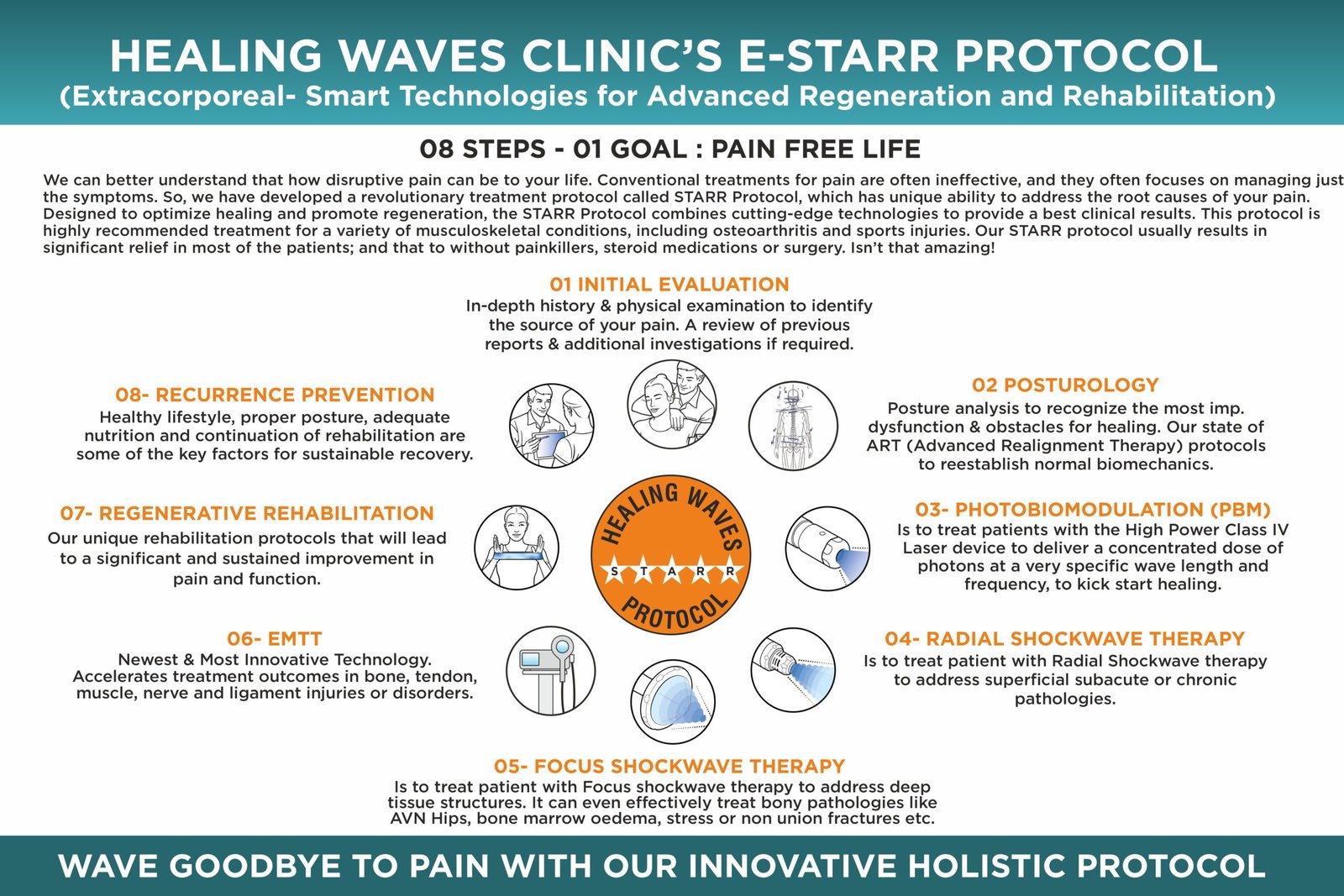
Healing Waves Clinic provides physiotherapy care for people experiencing back pain and movement-related difficulties. Their approach can include assessment, targeted exercises, mobility work, strengthening, and guidance for improving everyday movement. If you are looking for back pain physiotherapy in Kharadi, a personalised assessment can help identify suitable exercises and create a structured plan based on your symptoms, physical condition, and daily needs.
1. Can physiotherapy help chronic lower back pain?
Yes. Physiotherapy can help improve strength, flexibility, movement, and functional ability while reducing pain for many people.
2. How often should I do back exercises?
The frequency depends on your condition and treatment plan. Your physiotherapist can recommend an appropriate routine.
3. Is walking good for lower back pain?
For many people, gentle walking can help maintain mobility and reduce stiffness. However, activity should be adjusted if it significantly worsens symptoms.
4. Can weak core muscles cause back pain?
Weak core muscles may contribute to poor spinal support and movement control. Strengthening them can be part of a physiotherapy programme.
5. Should I exercise if my back hurts?
Gentle, appropriate movement may be beneficial, but exercises should not significantly increase pain. A physiotherapist can help identify safe exercises for your condition.
Regenerative Expert Clinic, we specialize in holistic approach, which focuses on helping your body heal and regenerate naturally with innovative powerful technologies.
© 2026 Healing Waves Clinic. All Rights Reserved.

