Many people notice that neck pain and headaches come together. A stiff neck after a long day at the desk may be followed by a dull ache at the back of the head, or a headache may start along with tightness in the neck and shoulders. In some people the neck is part of the cause. In others the two problems are separate, and a headache can be a sign of a condition that needs urgent medical care.
This article explains how neck problems and headaches can be linked, which warning signs should not be ignored, and when a musculoskeletal assessment may help. It is general information and not a diagnosis. Please consult a doctor for your own symptoms.
The neck (cervical spine) contains joints, discs, muscles, ligaments and nerves. Nerves from the upper neck supply parts of the scalp, and neck muscles attach to the base of the skull. When these structures are irritated, strained or stiff, pain can be felt in the neck, the back of the head, the temples or behind the eyes.
Headaches have many causes, so the neck is not always involved. Common types include:
Only a clinical assessment can tell which type you may have. Our head pain page lists headache-related conditions that the clinic sees.
Sitting with the head pushed forward while using a laptop or phone puts extra load on the neck muscles. Over weeks or months this can lead to stiffness, muscle tightness and pain that spreads to the shoulders and head. Read more in our post on neck pain in office workers.
Sudden movements, carrying heavy loads, sleeping in an awkward position or ongoing stress can strain the muscles of the neck and upper back. Tight spots in these muscles can be tender and may refer pain to the head.
With age, the discs and joints of the neck may wear. This is called cervical spondylosis in many reports. It is common, and many people with these changes have no symptoms. In some people it can cause neck stiffness, headache or pain that travels to the arm.
A disc bulge or narrowing of the space around a nerve root may irritate a nerve in the neck. This can cause pain, tingling or numbness in the arm or hand, along with neck pain.
Whiplash after a road accident or a fall can cause neck pain and headache. Symptoms may appear a day or two after the injury.
Most neck pain and headache is not dangerous, but some signs need prompt medical attention rather than a routine appointment. Go to a hospital or emergency service if you have:
Our post on what kind of neck pain is serious explains more about these red flags.
A musculoskeletal assessment looks at the bones, joints, muscles and nerves, and how they move and work together. It may be useful if:
If your headache has features of migraine or any other medical condition, you may need to see a physician or neurologist as well. A doctor can decide which specialist is suitable.
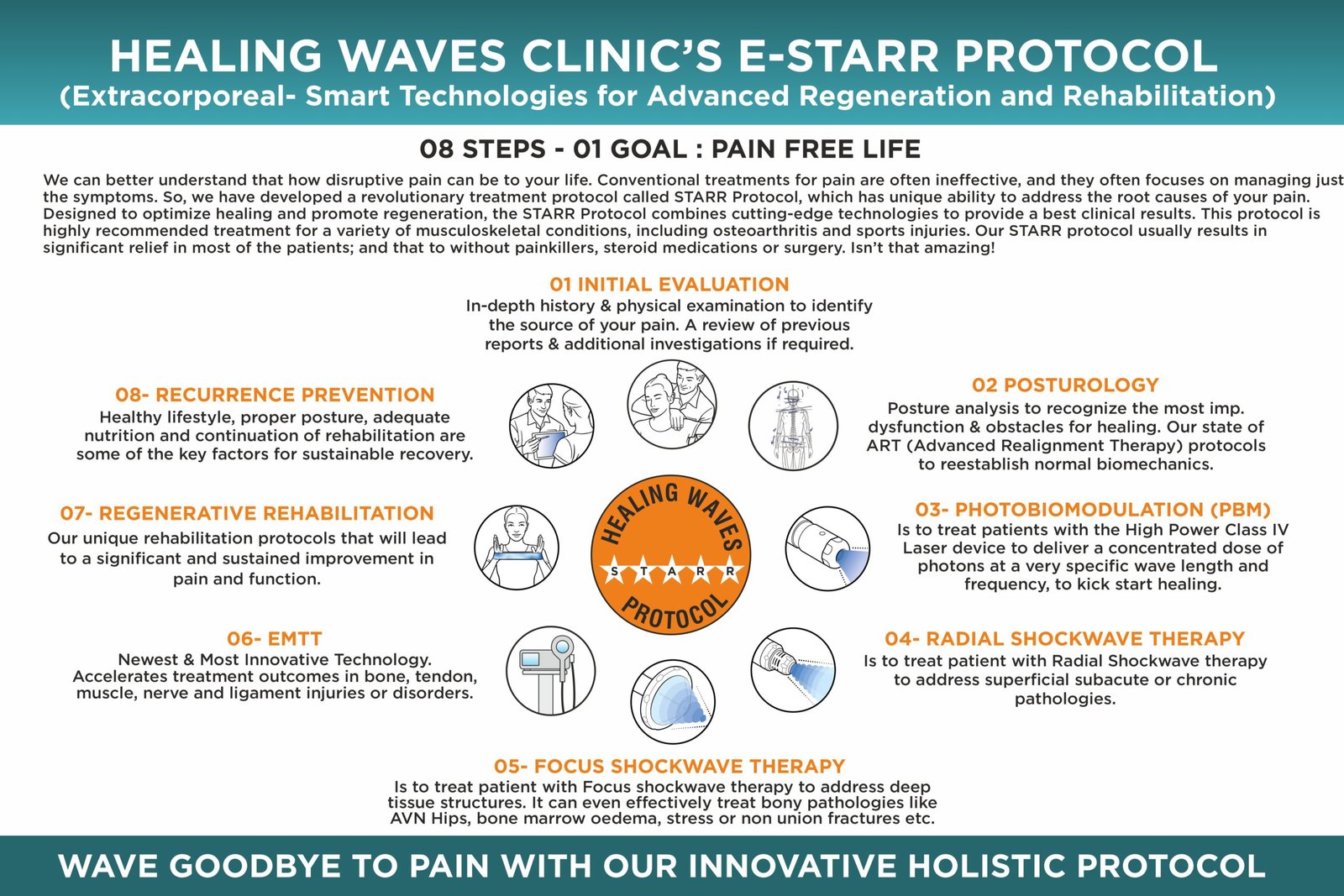
At Healing Waves Clinic, the initial evaluation begins with listening to your concerns and taking your medical history. This is followed by a physical examination, and if required, additional investigations such as X-ray, MRI or blood tests may be advised. The doctor may look at:
Treatment depends on the findings and may include exercises, posture advice, physiotherapy and other measures, as the treating doctor advises. The response to treatment differs from person to person, and no result can be promised.
These habits are general suggestions. If symptoms persist or worsen, avoid forceful self-manipulation and consult a doctor.
Can neck problems cause headaches?
Yes, in some people. Tight neck muscles or irritated joints and nerves in the upper neck can cause headaches at the back of the head or on one side. A clinical assessment is needed to know whether the neck is the source.
What is the difference between a tension headache and a cervicogenic headache?
A tension-type headache is usually a dull pressure on both sides of the head. A cervicogenic headache starts in the neck, is often one-sided and may change with neck movement. Only an examination can tell them apart.
When is a headache with neck pain an emergency?
Seek emergency care for a sudden severe headache, headache with fever and stiff neck, weakness, confusion, trouble speaking or seeing, or pain after a head or neck injury.
Do I need an MRI for neck pain?
Not always. Many cases are assessed with a history and physical examination first. The doctor may advise an X-ray or MRI if there are warning signs, nerve symptoms or if the pain does not settle.
Can poor posture cause neck pain and headaches?
Long periods of sitting with the head forward can strain the neck muscles and may contribute to neck pain and headaches. Regular breaks and a better work set-up may help, though other causes also need to be considered.
Is neck cracking or manipulation safe for headaches?
Forceful twisting or cracking of the neck, by yourself or by an untrained person, can be risky. Please get your neck examined by a qualified doctor before any hands-on treatment.
If you have ongoing neck pain, headaches or stiffness, a doctor can examine you and advise the next step. Dr. Vikram Rajguru (MBBS, DNB, D.Ortho) is an orthopaedic surgeon at the clinic. You can also learn about the neck pain services in Kharadi.
Regenerative Expert Clinic, we specialize in holistic approach, which focuses on helping your body heal and regenerate naturally with innovative powerful technologies.
© 2026 Healing Waves Clinic. All Rights Reserved.

