
Body pain can make everyday activities difficult, whether it is getting out of bed, sitting at work, walking, or completing household tasks. But what if you are experiencing body pain without any injury, fall, or accident? Many people experience unexplained muscle pain, joint discomfort, stiffness, or general body aches without knowing the reason.
Body pain without injury can occur due to muscle tension, poor posture, lack of physical activity, stress, nutritional deficiencies, or certain medical conditions. While occasional discomfort may improve with rest and simple lifestyle changes, persistent or unexplained pain should not be ignored. Understanding the possible causes can help you take the right steps toward recovery.
There are several reasons why your body may hurt even when you have not injured yourself. The cause often depends on where the pain occurs, how long it lasts, and whether other symptoms are present.
Spending long hours sitting at a desk, using a mobile phone, or working on a laptop can put extra strain on your muscles and joints. Poor sitting posture may cause neck pain, shoulder stiffness, lower back pain, and discomfort around the hips.
When you remain in the same position for too long, some muscles become tight while others may become weak. Over time, this imbalance can lead to recurring body pain.
What can help? Maintain a comfortable sitting posture, take regular movement breaks, and include gentle stretching in your daily routine.
A sedentary lifestyle can contribute to muscle weakness and stiffness. When you do not move enough throughout the day, your muscles may become less flexible, making ordinary activities uncomfortable.
You may notice pain when standing up after sitting for a long time, climbing stairs, or starting physical activity after a period of inactivity.
Gentle walking, mobility exercises, and gradual strengthening can help improve muscle function. However, exercise should be adjusted according to your symptoms and physical condition.
Did you know that stress can sometimes show up as physical pain?
Emotional stress can increase muscle tension, particularly around the neck, shoulders, and back. Poor sleep may also affect how the body manages pain, leaving you feeling tired, stiff, or achy when you wake up.
If body pain is accompanied by ongoing stress, fatigue, or disturbed sleep, it may help to establish a regular sleep schedule, practise relaxation techniques, and maintain a balanced daily routine.
Certain nutritional deficiencies may contribute to muscle discomfort, weakness, or fatigue.
Vitamin D deficiency, for example, can be associated with bone pain and muscle weakness. Vitamin B12 deficiency may cause neurological symptoms such as tingling, numbness, or weakness. Other nutritional problems may also contribute to fatigue and physical discomfort.
However, not every episode of body pain is caused by a vitamin deficiency. Avoid taking supplements without medical advice. A doctor can recommend appropriate blood tests when your symptoms and medical history suggest a deficiency.
Not drinking enough fluids, particularly during hot weather or physical activity, may contribute to muscle cramps, weakness, and fatigue. Changes in electrolyte levels can also affect normal muscle function.
Drink adequate fluids throughout the day unless your doctor has advised you to restrict fluid intake. If cramps or muscle pain keep returning, a medical evaluation may be necessary to identify the underlying cause.
Sometimes, body pain without injury is related to an underlying medical condition rather than posture or muscle stiffness.
Possible causes include:
Viral infections: Certain infections can cause widespread muscle aches, fatigue, and fever.
Thyroid disorders: An underactive thyroid may contribute to muscle aches, cramps, and weakness.
Fibromyalgia: This chronic condition can cause widespread pain, fatigue, and sleep difficulties.
Inflammatory conditions: Some autoimmune or inflammatory disorders can cause joint pain, stiffness, and swelling.
Medication-related effects: Certain medicines can cause muscle pain or weakness as a side effect.
If your pain is persistent, widespread, or accompanied by other symptoms, consult a healthcare professional rather than assuming it is simply muscle strain.
Occasional body aches may improve with rest and gentle movement. However, some symptoms require medical attention.
Consult a doctor if your pain lasts several days without improvement, keeps returning, affects your daily activities, or occurs alongside unexplained fatigue, joint swelling, fever, numbness, or muscle weakness.
Seek urgent medical care if body pain occurs with chest pain, difficulty breathing, sudden severe weakness, or dark urine accompanied by significant muscle pain or weakness.
Identifying the cause early can help prevent complications and ensure that you receive appropriate treatment.
Physiotherapy may help when body pain is related to poor posture, muscle tightness, reduced mobility, weakness, or certain musculoskeletal conditions.
A physiotherapist can assess your posture, movement patterns, flexibility, strength, and areas of discomfort to develop an appropriate treatment plan.
Depending on the cause of pain, treatment may include:
Therapeutic exercises: To improve strength, flexibility, and movement.
Stretching exercises: To help reduce muscle tightness and improve mobility.
Posture correction: To reduce unnecessary strain during sitting, standing, and working.
Manual therapy: Selected hands-on techniques may help manage certain musculoskeletal problems.
Ergonomic guidance: Practical advice on workstation setup, daily activities, and movement breaks.
Physiotherapy is not a substitute for medical diagnosis when body pain has an unexplained or potentially medical cause. If symptoms suggest an underlying illness, medical assessment should come first. A physiotherapist can then work alongside your healthcare team when appropriate.
You can take a few practical steps to support your recovery, depending on the cause of your symptoms.
Stay gently active: Avoid prolonged inactivity, but do not push through severe or worsening pain.
Take movement breaks: If you work at a desk, change positions regularly and walk for a few minutes.
Prioritise sleep: Maintain a consistent sleep schedule and aim for sufficient rest.
Eat balanced meals: Include a variety of nutritious foods to support normal muscle and bone health.
Stay hydrated: Drink adequate fluids throughout the day.
Avoid self-diagnosis: Persistent pain may require a physical examination or medical tests.
If a particular movement makes the pain worse, stop that activity and seek professional advice before continuing.
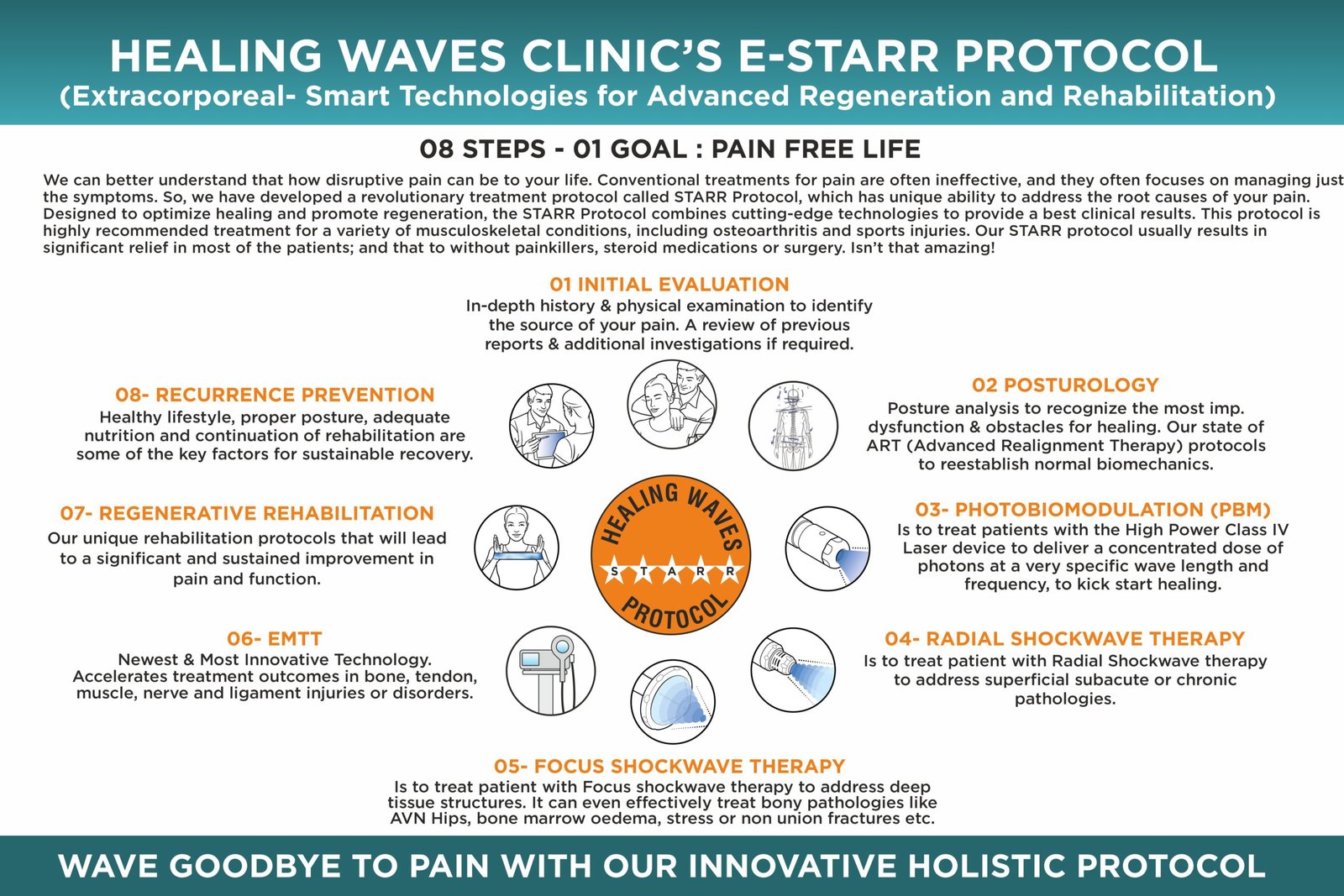
If body pain, muscle stiffness, neck discomfort, or back pain is affecting your daily routine, Healing Waves Clinic – Physiotherapy clinic in Kharadi, can be considered for physiotherapy assessment and care. A physiotherapy professional can evaluate movement limitations and musculoskeletal concerns, identify areas that may benefit from rehabilitation, and recommend suitable exercises and treatment approaches based on individual needs. Whether your discomfort is associated with prolonged sitting, poor posture, muscle tightness, or reduced mobility, personalised physiotherapy guidance may help improve movement and everyday function. If the pain is unexplained, persistent, or accompanied by concerning symptoms, consult a doctor to identify the cause before starting treatment.
1. Why does my body hurt when I have not injured myself?
Body pain without injury may result from poor posture, muscle stiffness, stress, lack of physical activity, nutritional deficiencies, infections, or underlying medical conditions.
2. Can vitamin deficiency cause body pain?
Yes. Vitamin D deficiency may contribute to bone pain and muscle weakness, while vitamin B12 deficiency can cause neurological symptoms such as tingling and numbness.
3. Can sitting for long hours cause body pain?
Yes. Prolonged sitting and poor posture can contribute to muscle stiffness, neck pain, shoulder discomfort, and lower back pain.
4. When should I see a doctor for unexplained body pain?
Consult a doctor if pain persists, keeps returning, affects daily activities, or occurs with fever, swelling, weakness, or numbness. Seek urgent care for severe or alarming symptoms.
5. Can physiotherapy help with body pain without injury?
Physiotherapy may help with pain related to muscle tightness, posture, weakness, or mobility problems. Unexplained pain may require medical evaluation before treatment.
Regenerative Expert Clinic, we specialize in holistic approach, which focuses on helping your body heal and regenerate naturally with innovative powerful technologies.
© 2026 Healing Waves Clinic. All Rights Reserved.

